

This post is also available in:
 Português
Buying crypto is easy. However, protecting it, managing it, and growing it responsibly is where most people struggle.
Most investors don’t lose money because they chose the wrong coin. Instead, they lose because of what happens after the purchase: poor security habits, emotional decisions, lack of structure, and trusting the wrong sources.
This guide explains what not to do after buying crypto, using real-world examples and practical experience. It also shows how to build safer habits from day one, so you avoid common traps that silently destroy portfolios.
If you are serious about crypto, take your time with this article. Understanding what not to do after buying crypto early can save you years of frustration and thousands in avoidable losses.
Why Most Crypto Investors Lose After Buying Crypto
If you are searching for what not to do after buying crypto, you are already ahead of most beginners.
The majority of losses don’t come from sudden market crashes. Instead, they come from small operational mistakes made right after purchasing crypto. These mistakes compound over time, especially when combined with impatience or overconfidence.
Security errors, emotional trading, blindly copying others, and ignoring risk management are not beginner-only problems. Even experienced investors fall into these patterns when discipline slips.
Let’s walk through the 10 biggest mistakes you should never make after buying crypto:
What Not to Do After Buying Crypto
1. Ignoring Taxes and Compliance
Whether you agree with taxes or not is irrelevant. Crypto transactions are traceable, and most major exchanges already share user data with regulators. Audits can happen years later, and penalties can quickly become painful.
Treat crypto like any other financial asset. Keep records of your buys, sells, swaps, and transfers, and make sure you report correctly. Doing this early avoids stress later and allows you to focus on building your portfolio instead of fixing compliance problems.
2. Leaving Your Crypto on Exchanges
Exchanges are convenient, but they do not give you true ownership. They provide access, not control.
Accounts can be frozen, withdrawals can be paused, and platforms can collapse. History has shown this repeatedly. If you don’t control the private keys, you don’t control the crypto.
Use exchanges for trading, not storage. If you are still choosing where to trade, this overview of the best crypto exchanges can help you compare platforms based on security, features, and reliability.
3. Trusting Hot Wallet Apps With Large Amounts
Mobile and browser wallets feel safe because they are easy to use. Unfortunately, they store private keys on internet-connected devices, which exposes you to malware, fake updates, clipboard hijacking, and extension exploits.
Hot wallets are useful for small spending balances. For long-term holdings, however, they introduce unnecessary risk.
4. Avoiding Cold Storage Because It “Feels Complicated.”
On the other hand, cold wallets keep your private keys offline, which removes most attack vectors in one step. Yes, there is a learning curve, but it is far smaller than the cost of losing your funds.
One afternoon of setup can protect your wealth for years. If you are holding meaningful amounts without cold storage, you are effectively gambling on your own security.
If you are exploring storage options, this guide to the best crypto wallets explains the differences between hot and cold storage in more detail.
5. Sending Full Amounts Without Test Transactions
Crypto transfers are permanent. One misconfigured character or network can lead to irreversible loss.
Before moving large sums, always send a small test amount first, confirm it arrives, and only then transfer the full balance, especially if you are dealing with unfamiliar platforms or situations like those described in Fake Investment Scam. This simple habit has saved countless investors from expensive mistakes.
Always Remember:
- Send a small test amount first
- Verify arrival
- Then send the full balance
This single habit has saved people millions.
6. Using the Wrong Network
Many cryptocurrencies exist on multiple blockchains. Sending assets on the wrong network often results in funds disappearing or becoming extremely difficult to recover. The coin, network, and address format match before sending. Never rush transfers, especially when moving larger balances. If the worst does happen, this detailed guide on recovering stolen crypto assets explains what steps may still be available in certain situations:
So, always confirm:
- Same coin
- Same network
- Same address format
7. Believing Influencer Price Predictions
Most crypto influencers are entertainers, not analysts. They don’t manage risk, they don’t publish audited results, and therefore, they don’t suffer consequences for bad calls.
Price predictions create emotional trading, and emotional trading destroys portfolios. Instead of chasing hype, focus on learning market structure, position sizing, and risk management.
If you want a deeper look at behavioral errors, this article on the common 10 crypto trading mistakes is worth reading.
8. Sending Crypto to Anyone Promising Guaranteed Returns
If someone promises fixed monthly profits, it’s a scam, learn how to avoid them.
This includes:
- YouTube giveaways
- Telegram DMs
- Instagram messages
- WhatsApp “traders”
- Romance‑based investment schemes
Real trading involves risks. Guaranteed returns do not exist.
9. Thinking You’re “Fully Safe” Once You Set Everything Up
Security is not a one-time action. It is an ongoing process. Even with cold storage, mistakes happen:
- Signing malicious transactions
- connecting wallets to fake sites
- Storing seed phrases improperly
- Falling for social engineering
Staying alert and continuing to learn is part of long-term survival in crypto.
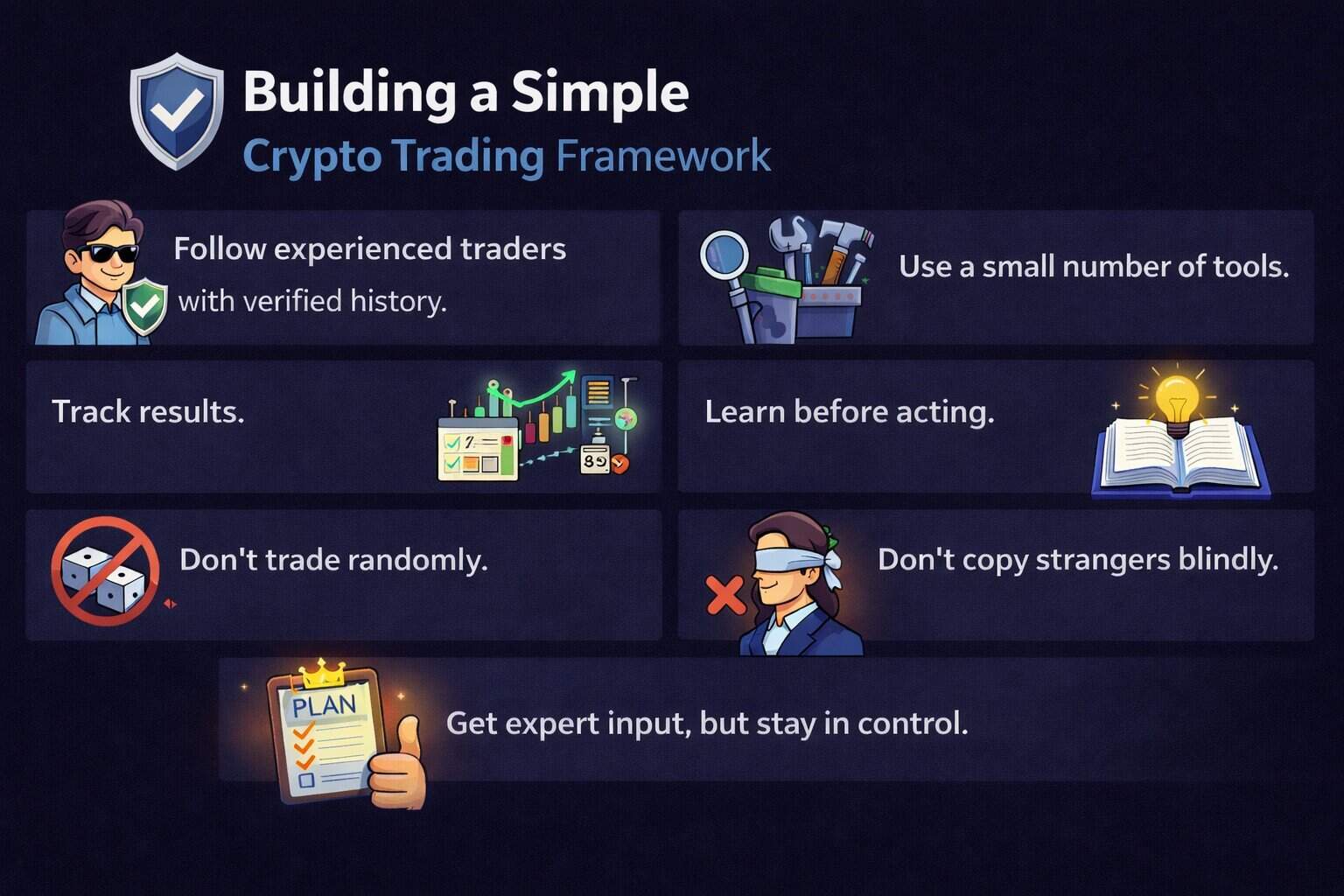
10. The Silent Killer: Fragmenting Your Strategy Across Too Many Tools, Coins, and Signals (NEW)
This is the silent killer that almost nobody talks about.
Most investors don’t fail because of one bad decision. Instead, they fail because they scatter attention everywhere. Multiple wallets, multiple exchanges, random coins, conflicting signals, and changing strategies every week make it impossible to measure performance or improve results. Without structure, you end up with emotional entries, inconsistent risk, and no clear plan.
Do this instead:
A Note on Stablecoins After Buying Crypto
Many investors also misunderstand how to use stablecoins after buying crypto. Stablecoins are not just parking tools; they are an essential part of risk management. During volatile periods, rotating profits into stablecoins can help preserve capital and reduce emotional trading. They also make it easier to move between positions without constantly converting back to fiat.
However, not all stablecoins are equal. Some carry higher counterparty or regulatory risk than others. If you are unsure which ones to trust, this overview of The Top Stablecoins to Invest provides a clear comparison.
Using stablecoins correctly adds flexibility to your strategy. Using it blindly, they can introduce hidden risks.
Learn First. Then Trade.
If you don’t yet have a strategy, do NOT trade out of the blue. Start by learning from people who have been in crypto for years. We review professional signal providers, long-standing trading groups, and performance-based services inside the best crypto signals groups, so you can compare options before risking capital.
For beginners, many investors start with A Beginner’s Guide to Trading Cryptocurrency, which explains the basics of market structure, risk, and execution before placing real trades.
Before jumping in, you can also follow ongoing market education and macro breakdowns on the SmartOptions YouTube Channel, while deeper reviews, performance reports, and risk analysis are published directly on SmartOptions.
The goal is NOT to let others trade for you. The goal is to learn from experts, then make your own informed decisions.
Final Thoughts on What Not to Do After Buying Crypto
Ultimately, crypto rewards discipline. Beyond the technical side, long-term success in crypto comes down to mindset. Investors who survive multiple market cycles usually share the same traits: patience, documentation, and respect for risk. They treat every position as part of a broader system, not as a lottery ticket. They review past trades, measure performance, and adjust strategy based on data rather than emotion. Most importantly, they understand that capital preservation is more important than chasing the next big move, because staying in the game is what creates opportunity over time.
Not hype, not speed, and not emotion. Avoid these 10 mistakes, and you will already outperform most investors. Protect your keys, verify every transaction, ignore noise, follow proven traders, and build structure.
Crypto is not easy money. However, when approached correctly, it becomes one of the most powerful financial tools ever created.
